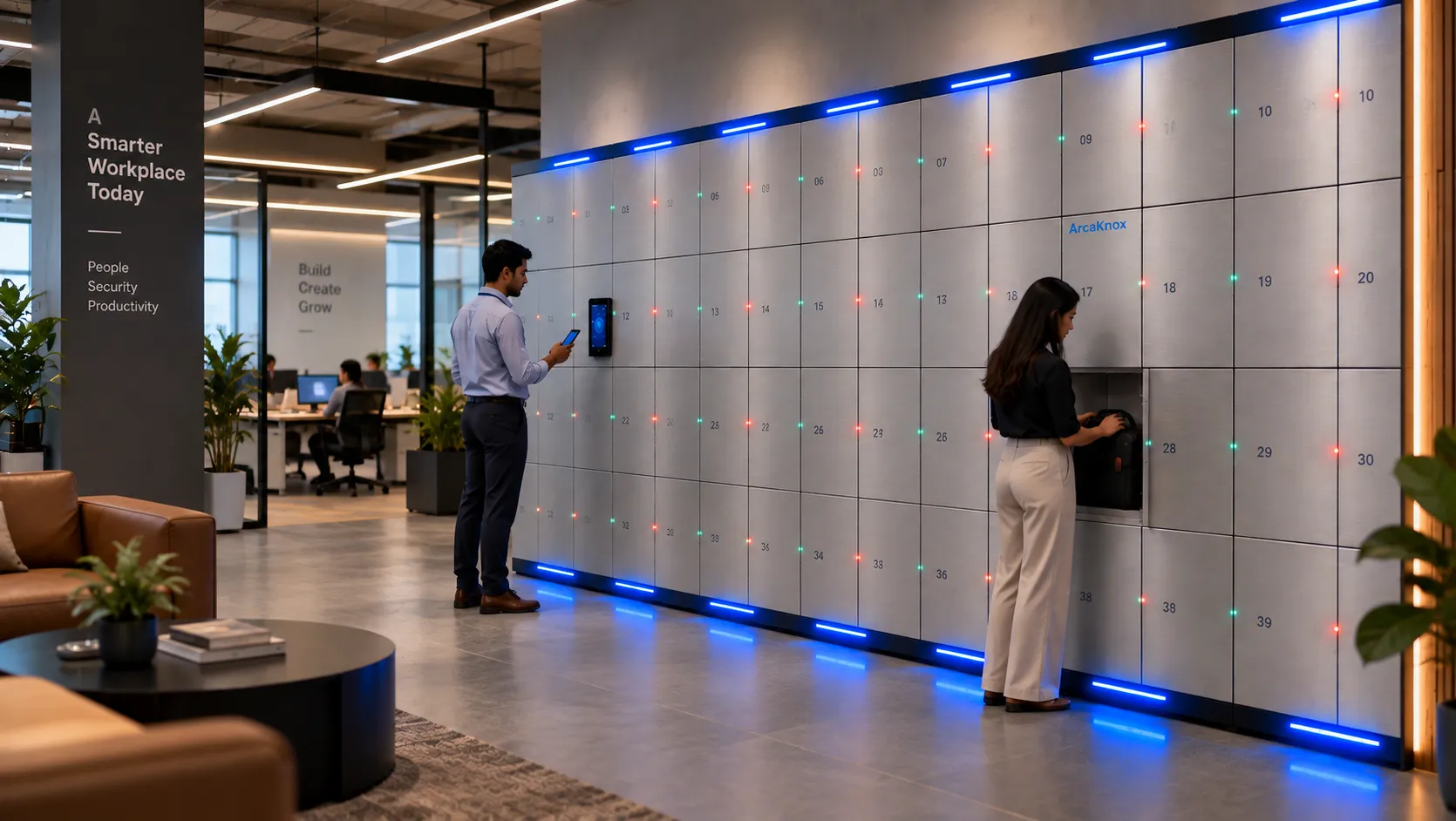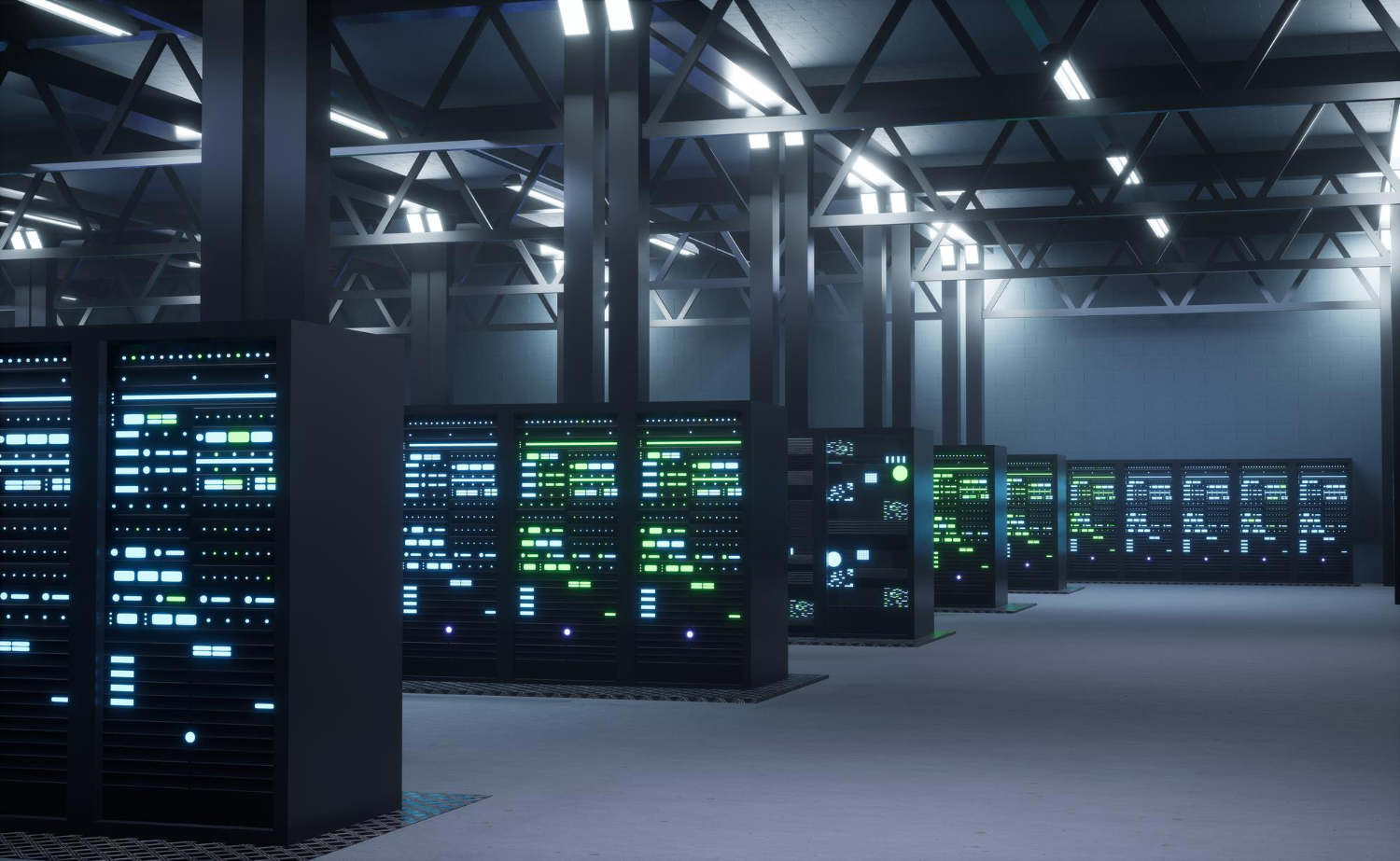
Data centers operate on a simple, unforgiving premise: uptime is non-negotiable, and access must be accountable at every layer — network, rack, and physical key. Yet in a surprising number of facilities, the last line of physical security still runs on a paper register or a bunch of keys hanging on a pegboard. That gap between digital sophistication and physical key control is precisely where an electronic key management system (EKMS) earns its place in modern data center operations.
The Hidden Vulnerability in Server Rack Access
Every data center manager knows the routine: a technician needs access to a server rack, signs a logbook, takes the key, and — hopefully — returns it. In practice, keys get borrowed, duplicated, misplaced, or handed off informally between shifts. Each of these micro-lapses represents a compliance gap for frameworks like ISO 27001, SOC 2, and uptime institute Tier certifications, all of which demand demonstrable chain-of-custody for physical access to critical infrastructure.
An Electronic Key Management System closes this gap by binding every key release to a verified identity — typically through Pin/RFID card / Finger Biometrics/Mobile app — and logging the transaction in real time. There's no ambiguity about who accessed Rack 14 at 2:47 AM, because the system captured it automatically.
Core Capabilities That Matter for Server Rack Environments
- Biometric and multi-factor authentication for key retrieval, eliminating shared PINs or duplicated key risk
- Real-time audit trails that timestamp every key removal and return, satisfying auditor requests instantly rather than after days of log reconciliation
- Role-based access permissions, ensuring a night-shift technician can access only the racks relevant to their assignment
- Automated alerts for overdue key returns, unauthorized attempts, or after-hours access anomalies
- Centralized dashboard visibility across multiple data halls, campuses, or colocation facilities
Why Traditional Key Cabinets Fall Short at Scale
A facility with a handful of racks can survive on manual processes. A facility with hundreds of racks across multiple data halls cannot. Traditional lockboxes don't scale, don't integrate with existing building management or access control systems, and generate zero usable data for compliance reporting. An electronic key management system built for enterprise scale — like KeyKnox — is designed precisely for this multiplication problem: one cabinet or a hundred, one site or twelve, all visible from a single management console.
Compliance Reporting Without the Manual Reconciliation
For data center operators undergoing SOC 2 audits or ISO certification renewals, the ability to generate an instant, tamper-proof access report is a genuine operational advantage. Instead of manually cross-referencing sign-in sheets against shift schedules, compliance teams can export a complete, timestamped record of every key transaction — turning what used to be a multi-day audit prep exercise into a five-minute report pull.
The Business Case Beyond Security
Beyond risk mitigation, electronic key management directly reduces operational friction. Lost key replacement costs, rekeying entire rack rows after a key goes missing, and the labor hours spent investigating access discrepancies all disappear when every key transaction is automatically logged and accounted for.
Making the Shift
For data center operators evaluating physical security upgrades, the calculus is increasingly straightforward: the cost of an electronic key management deployment is marginal compared to the operational, compliance, and reputational cost of a single unaccounted-for rack access incident. As facilities scale and regulatory scrutiny intensifies, manual key control isn't just inefficient — it's a liability waiting to surface during the next audit.
Meclix's KeyKnox brings biometric-authenticated, fully auditable key management purpose-built for server rack and data center environments — scaling from a single cabinet to enterprise-wide, multi-site deployments.