Conventional lockers have served offices and workplaces for decades. They provide employees with a secure place to store their belongings, documents and equipment. For smaller organisations with, they can still be a practical choice.
However, workplaces have changed. Hybrid schedules, shared workspaces, multiple shifts and growing teams have made locker management more demanding. Facility teams now need to manage not only physical storage but also user access, locker allocation, loss of keys and usage records.
This is where the difference between Smart Lockers and Conventional Lockers becomes important. While both provide storage, a smart locker system adds digital access, automated processes and centralised management to everyday storage operations.
Understanding the Difference Between Smart and Conventional Lockers
The most visible difference between the two systems is how Lockers are accessed and managed. Conventional lockers generally depend on physical keys or combination locks. Smart lockers use electronic access methods and connected management software.
The distinction becomes more significant when organisations need to manage a large number of lockers or accommodate changing user requirements.
How Conventional Lockers Work
A conventional locker typically operates through a physical key, padlock or combination mechanism. An individual receives access to a designated locker and uses it for as long as the assignment remains active.
This arrangement is easy to understand and requires little technology. However, managing keys, replacements, allocation changes and access requests can become an administrative nightmare when the number of lockers increases or keys are misplaced or carried home by mistake.
How Smart Lockers Work
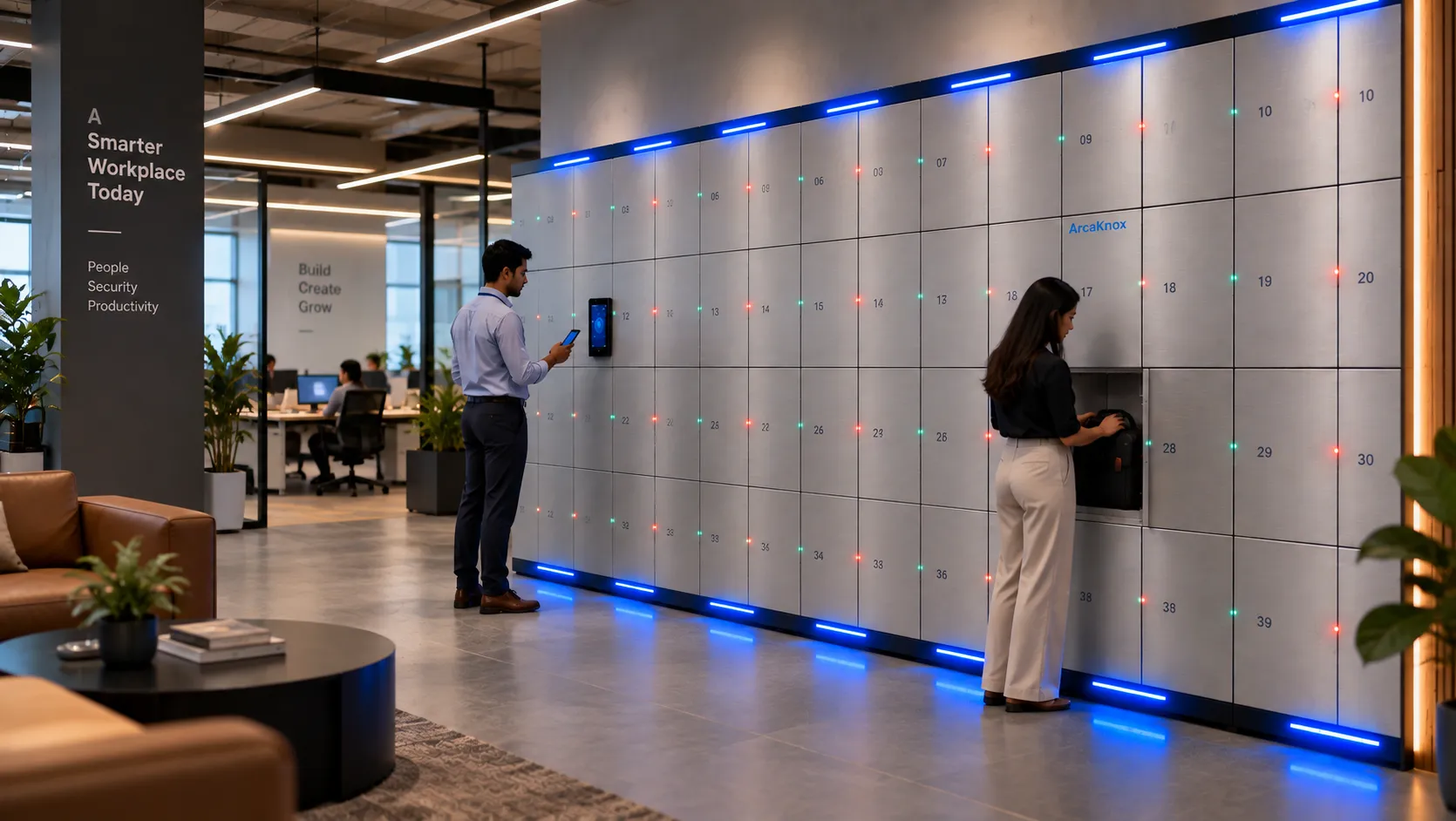
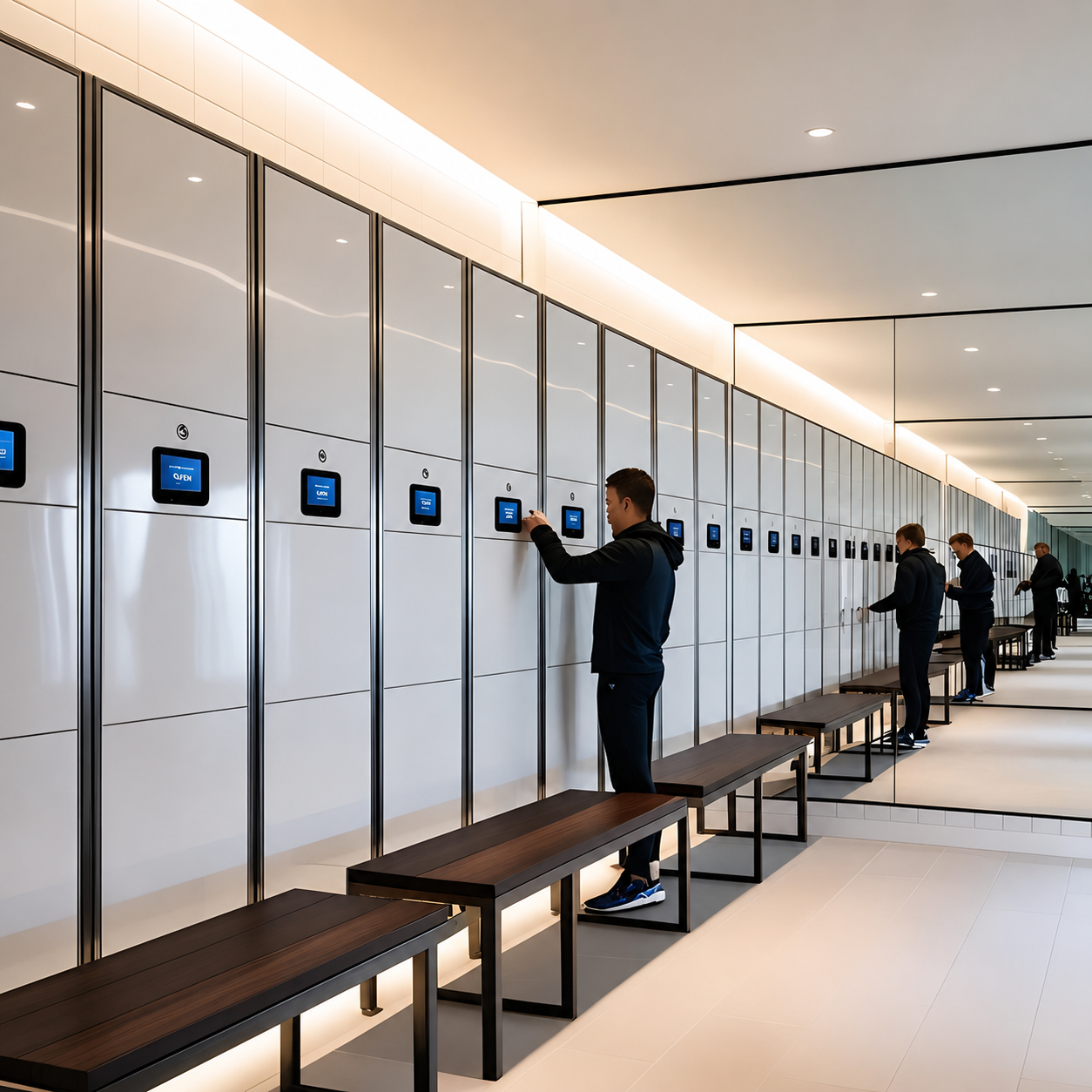
Smart lockers use electronic locking mechanisms connected to a digital management platform. Depending on the configuration, users can access lockers through RFID credentials or mobile authentication.
Facility teams can manage assignments, permissions and usage through a centralised system. This makes it convenient and less time consuming to accommodate different user groups and changing storage requirements.
Five Ways Smart Lockers Improve Workplace Efficiency
The benefits of smart lockers extend beyond convenient access. Their real value lies in reducing manual administration, making systems more efficient and people more productive and helping organisations make better use of existing space.
1. Easier Locker Allocation and Management
Conventional lockers are often assigned manually. When an employee leaves, changes departments or no longer requires a locker, someone has to update the allocation records and recover the key.
Smart lockers support dynamic allocation and configurable access permissions. Facility teams can manage locker assignments digitally, making the process more responsive to changing workplace requirements.
This is particularly useful in offices with hybrid employees, temporary users and shared storage facilities.
2. Reduced Dependence on Physical Keys
Physical keys can be misplaced, duplicated or forgotten. Replacing them takes time and may involve additional costs, especially when access needs to be restored quickly. Until such time, the locker is inaccessible.
Smart lockers replace this dependency with electronic authentication. RFID and mobile-based access provide convenient alternatives, while permissions can be managed through the connected platform.
3. Better Visibility into Locker Usage
A conventional locker system offers limited information about how storage capacity is being used. Facility teams may have to depend on manual records or physical checks.
Smart locker platforms can provide usage information, occupancy visibility and reports. These insights help organisations review allocation patterns and identify opportunities to use available capacity more effectively.
4. More Flexible Access for Different Users
A conventional locker generally follows a fixed allocation model. This can become restrictive when employees, visitors, contractors or operational teams have different storage needs.
Smart systems allow organisations to configure user groups and access permissions. Temporary and shared usage can be managed through defined processes, depending on the application and system configuration.
5. Simpler Management Across Multiple Shifts
In facilities where different teams use the same lockers at different times, conventional allocation can leave storage capacity underutilised and also lead to time consuming processes.
Smart locker systems can support multi-shift usage through planned allocation and release processes. Configurable inactivity policies can also help organisations manage assignments that are no longer required.
Why Automated Locker Systems Reduce Administrative Work
A significant part of locker management happens outside the locker itself. Facility teams handle allocation requests, key handovers, access changes, records and user queries.
As the workplace grows, these activities can take up valuable time. Automated locker systems help reduce the manual effort involved by bringing several management activities into one connected process.
Fewer Manual Allocation and Access Requests
Digital allocation and configurable permissions allow facility teams to manage locker access more efficiently. Routine changes can be handled through the Software platform instead of depending entirely on physical key distribution and collection.
More Consistent Locker Records
Centralised records make it easier to review locker assignments and access permissions. Usage reports can also support periodic reviews and help facility teams identify where existing capacity may be underutilised.
Better Control Over Locker Assignment Lifecycles
Employee movements and changing work schedules can leave locker assignments outdated. Inactivity policies and release workflows help organisations keep allocations aligned with current requirements.
The Role of Digital Storage Integration in Modern Workplaces
Storage is increasingly becoming part of a connected workplace environment. Organisations may already use digital systems for employee management, visitor registration, IT asset tracking and facility operations.
Digital storage integration helps bring locker management into this wider ecosystem, reducing the need to manage every storage process independently.
Connecting Storage with Workplace Processes
Smart locker platforms can support integration with relevant workplace systems, depending on the solution and configuration.
For example, visitor management integration can help coordinate visitor-related locker allocation. IT asset workflows can also benefit from digital records of device checkout and return.
Managing Different Storage Applications
Not every locker serves the same purpose. Employee belongings, IT equipment, visitor assets and shared tool kits have different allocation and access requirements.
A connected platform can support these distinct applications while giving facility teams a more unified view of storage operations.
Smart Lockers as Part of Efficient Office Design
Locker selection is often treated as a furniture decision. However, storage also affects space utilisation, employee convenience and everyday facility operations.
When organisations evaluate modern office fixtures, they should consider how each installation will function over time, not just how it looks or how much storage it provides.
Make Better Use of Existing Storage Capacity
Permanent locker assignments can leave capacity unavailable to other users, even when the assigned employee is rarely present.
Dynamic allocation and multi-shift usage allow organisations to manage shared storage more effectively. This can reduce the need to add more lockers simply to accommodate changing occupancy.
Support Flexible and Hybrid Workspaces
Modern offices often combine assigned workstations, shared desks and collaborative areas. Storage arrangements need to accommodate employees who may use the office on different days.
Smart lockers offer a flexible way to provide secure personal storage without requiring every employee to have a permanently assigned unit.
Consider Management Alongside Physical Design
Good, efficient office design considers the complete experience of using a space. Locker placement, accessibility, capacity and digital management all contribute to how well storage serves the workplace.
Smart locker technology adds an operational dimension to this planning, helping organisations manage the infrastructure after installation.
How ArcaKnox Shield Brings Smart Locker Management Together
ArcaKnox Shield by Meclix combines electronic locker access with digital allocation and management through the ArcaKnox Shield platform.
It supports multiple workplace applications, including Employee Assets, IT Assets, Visitor Assets and Tool Kits Management. This allows organisations to manage different storage requirements through a connected solution.
Features That Make a Practical Difference
RFID and mobile authentication
Provide convenient electronic access to lockers.
Dynamic allocation
Assign lockers according to changing user requirements.
User groups and permissions
Configure access for different categories of users.
Multi-shift usage
Support shared locker capacity across operating shifts.
Inactivity policies
Manage assignments that are no longer in regular use.
Usage reports
Provide visibility into locker allocation and utilisation.
These capabilities help facility teams move beyond managing individual keys and locker assignments. They can focus on other assignments making them productive, effective and efficient..
In Conclusion, Storage Should Work as Intelligently as the Workplace
Conventional lockers remain useful for simple, fixed storage requirements. However, organisations managing large teams, shared facilities or changing occupancy patterns may need greater control over access, allocation and usage.
The comparison of Smart Lockers vs Conventional Lockers ultimately comes down to the Art of workplace management. Smart lockers bring digital access, configurable permissions, usage visibility and automated processes into everyday storage operations.
With ArcaKnox, Meclix helps organisations make this transition through connected locker management that supports both current requirements and changing workplace needs.