Flexible workspaces have changed how people use offices. Employees may not come in every day, coworking arrangement uses different desks at different times, and operational teams often work across multiple shifts. As a result, organisations are reorienting how they manage desks, meeting rooms and other shared facilities.
Storage needs the same attention.
A workplace may have moved away from permanent desks, but employees and visitors still need a secure place for their belongings. Assigning one locker per individual can lead to unused capacity and unnecessary space requirements. A shared locker system offers a more flexible approach, allowing organisations to manage storage according to actual usage.
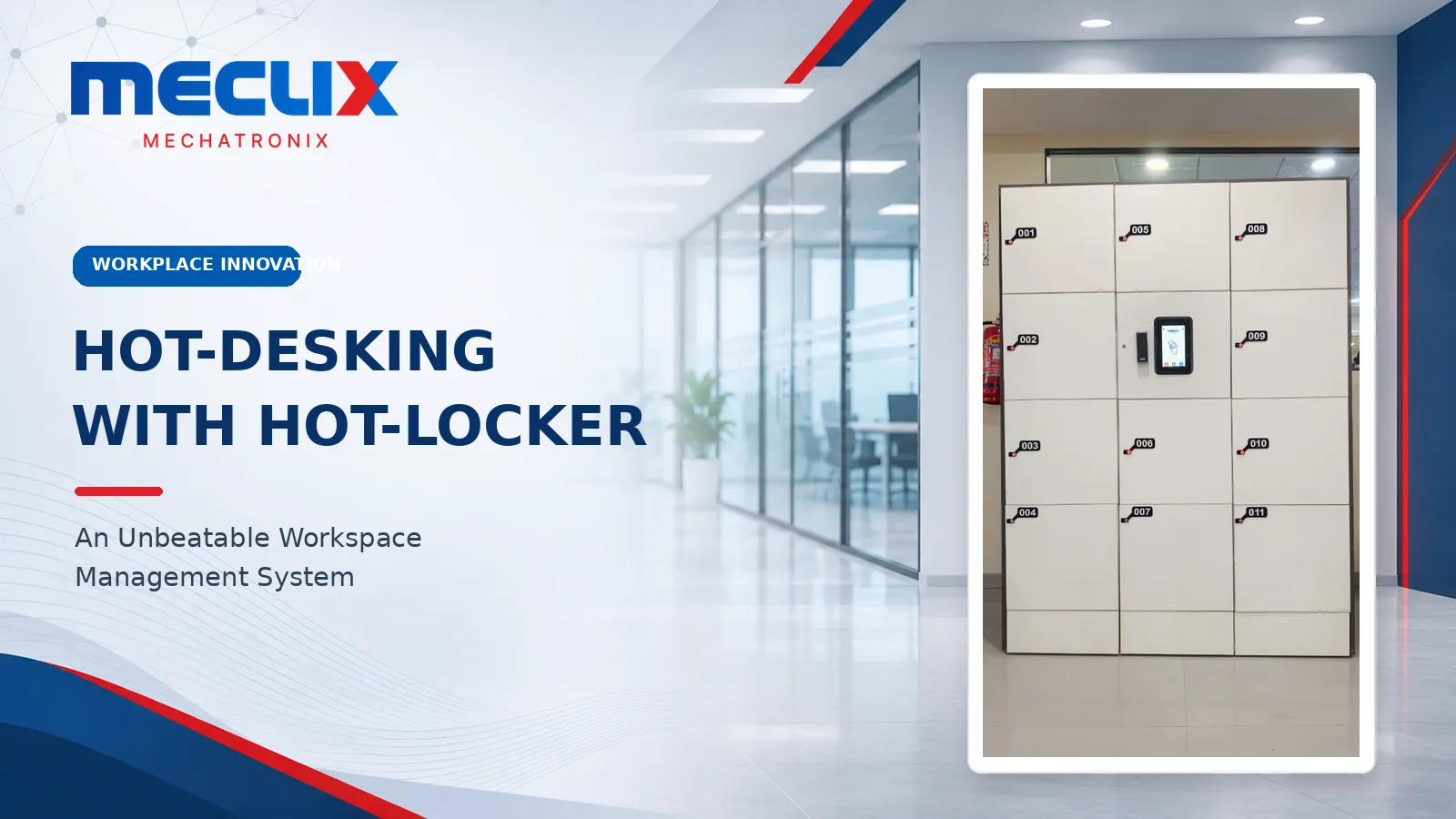
This is where a Hot-Desking Locker System can become an important part of a modern workspace management strategy.
The Storage Challenge in Shared Work Environments
Shared workspaces are designed around changing occupancy. People use the same facilities at different times, and the number of users present can vary throughout the day or week.
Traditional storage arrangements often struggle to keep up with this pattern. Permanent locker assignments can leave valuable capacity unused, while manual allocation is a lot of work for facility teams.
Why Permanent Locker Allocation Becomes Inefficient
In a conventional office, locker allocation usually follows employee headcount. Each person receives a designated locker, regardless of how frequently they visit the workplace.
This approach becomes less practical when employees follow hybrid schedules or when several teams share the same facilities. A locker may remain assigned to someone who visits only once or twice a week, even when other employees need storage on a daily basis.
The result is a growing difference between the number of lockers assigned and the number actually required at a given time.
Personal Storage Still Matters in a Shared Office
Flexible seating does not remove the need for personal storage. Employees still carry laptops, accessories and everyday belongings. Coworking members may need to secure work equipment between sessions, while visitors and contractors may require temporary storage during their time at a facility.
A well-planned system gives the users a convenient access to storage.
Where Shared Locker Systems Make a Difference
The need for flexible storage extends across several types of workplaces. Each has different occupancy patterns, but the underlying requirement remains similar: make storage available only when people need it.
Coworking Spaces and Serviced Offices
Coworking spaces accommodate members, guests and teams with different schedules. A shared locker arrangement allows all stakeholders to access storage without the need the increase the capacity as the stakeholders increase.
Serviced offices can also benefit from configurable access permissions. Different organisations and user groups can use shared facilities while maintaining defined access rights.
Hybrid Corporate Offices and Business Campuses
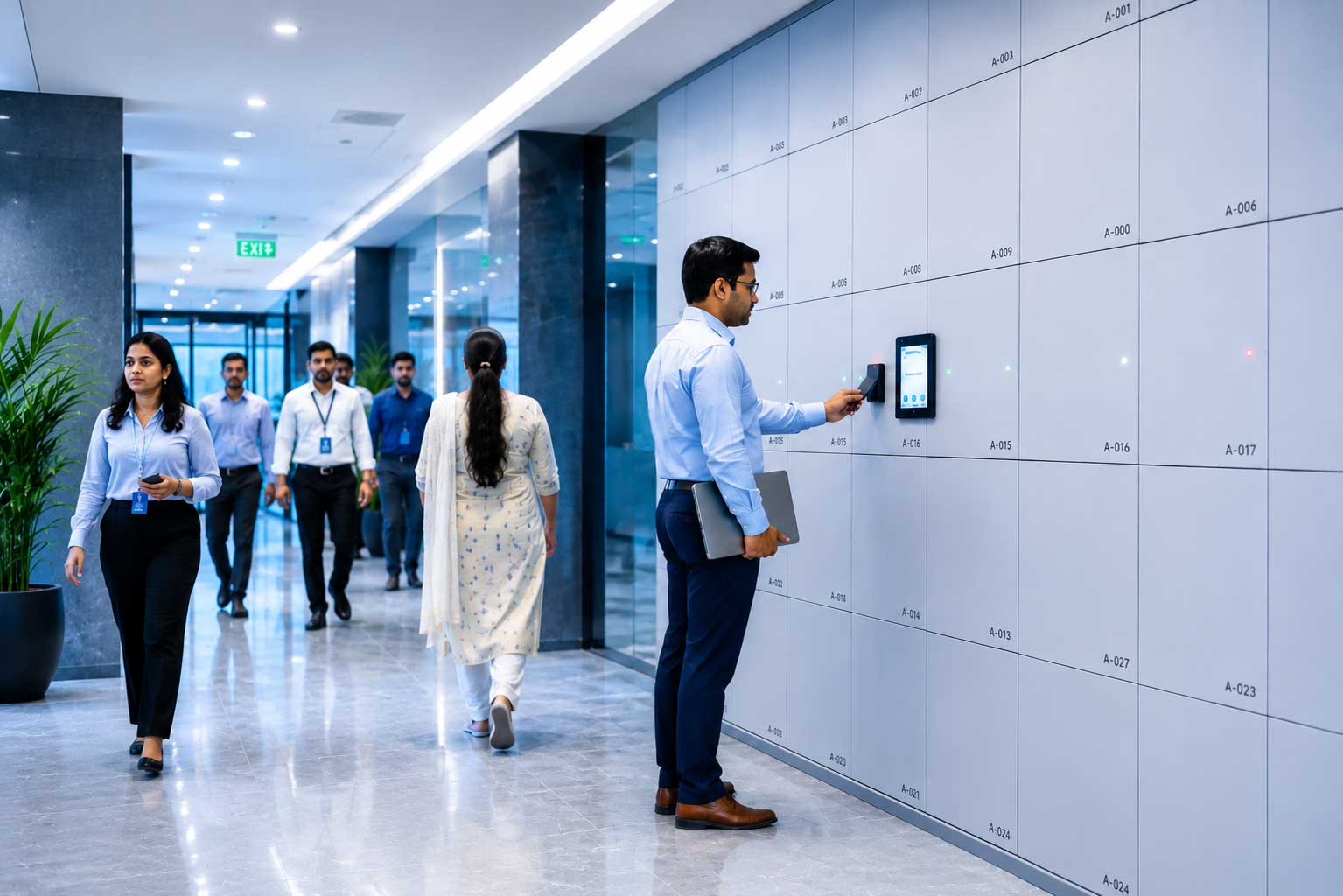
In hybrid offices, employee attendance can vary significantly across the week. Shared lockers can help organisations provide storage based on actual workplace usage rather than total headcount.
Large campuses face an additional challenge. Employees may work across different buildings, departments or floors. Centralised locker management helps facility teams maintain better visibility and manage allocations across locations.
Shift-Based Workplaces and Operational Facilities
Manufacturing units, logistics centres and other operational facilities often have multiple teams using the same workplace at different times.
A locker assigned to one employee for an entire day may remain unused during other shifts. Multi-shift locker usage allows storage capacity to serve more people through planned allocation and release processes.
What Makes a Smart Locker System Suitable for Flexible Workplaces?
A shared locker system needs more than electronic locks. It should help facility teams manage users, permissions and locker availability without depending on repeated manual intervention.
The right technology makes storage easier to allocate, monitor and maintain as workplace requirements change.
Dynamic Allocation for Changing User Requirements
Dynamic allocation allows lockers to be assigned according to current requirements rather than permanent employee ownership.
This gives facility teams greater flexibility when managing hybrid attendance, temporary users and shared work areas. It also helps make better use of the storage capacity already available.
Access Management for Different User Groups
Employees, visitors, contractors and service personnel may have different storage requirements. Configurable user groups and access permissions help organisations apply appropriate rules to each category.
This creates a more consistent process for managing access while reducing the need to handle every request individually.
Multi-Shift Usage and Automated Release
In workplaces with rotating teams, lockers can be made available to different users across defined operating periods. Configurable inactivity policies and release workflows also help address locker assignments that are no longer required.
Some Capabilities Worth Considering
- Dynamic locker allocation for shared usage.
- Configurable access permissions for different user groups.
- Multi-shift locker management.
- Inactivity policies and automated release workflows.
Integrating Storage into Agile Office Design
Storage should be considered during workspace planning, rather than added after desks and common areas have been finalised. Its placement affects movement, accessibility and the overall use of available floor space.
A flexible office design needs to account for these practical details from the beginning.
Plan Locker Placement Around Employee Movement
Locker zones should be easy to reach without interrupting movement through the office. Locations near shared work areas and circulation spaces may be worth considering, depending on the layout.
Good placement reduces unnecessary movement and makes everyday access more convenient.
Reduce Dependence on Permanent Desk Storage
When employees do not have assigned desks, personal belongings can become difficult to manage. Shared lockers provide a designated place for these items and help keep workstations free for the next user.
This supports a cleaner, more organised environment without requiring additional storage at every desk.
Consider Storage Early in Workspace Architecture
Storage requirements influence more than the number of lockers installed. Architects and facility planners should consider locker dimensions, access routes, user volumes and the available wall and floor space.
A well-integrated solution can support flexible seating while making more efficient use of the workplace footprint.
How ArcaKnox Shield Supports Flexible Office Solutions
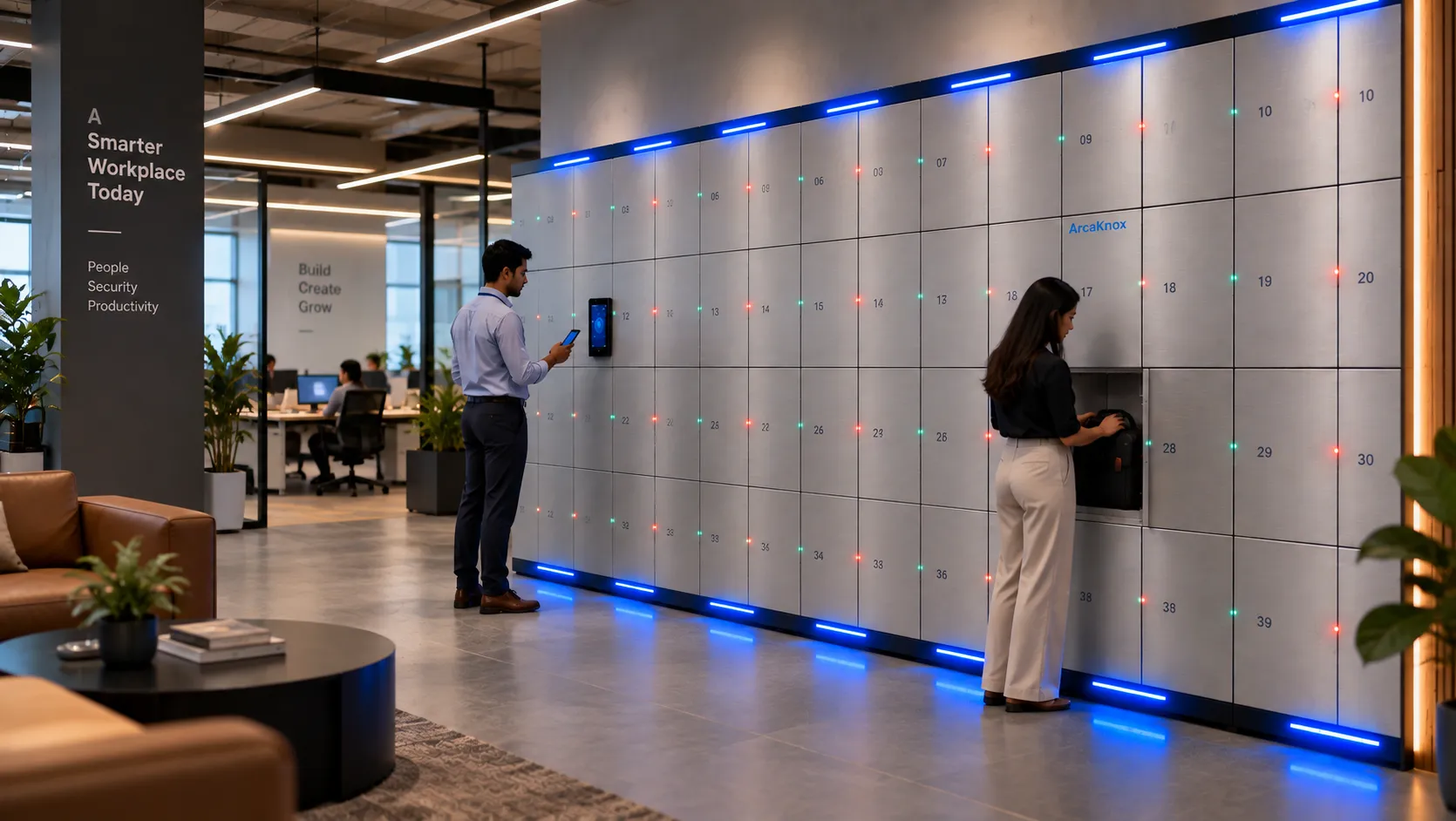
ArcaKnox Shield by Meclix Mechatronix brings intelligent locker allocation and access management into a connected platform. Through ArcaKnox Shield, facility teams can manage locker operations and gain visibility into usage across their workplace.
The system supports different storage requirements across employee, IT asset, visitor and tool-kit applications.
Centralised Allocation and Occupancy Visibility
Centralised management helps facility teams oversee locker assignments and access permissions. Usage information and occupancy reports provide useful visibility into how storage capacity is being used.
These insights can support better allocation decisions and help organisations review whether their existing storage provision matches workplace demand.
Configurable Policies for Changing Work Patterns
Workplace requirements rarely remain constant. ArcaKnox supports configurable policies that help organisations manage locker usage as teams, schedules and occupancy patterns evolve.
Practical Applications
- Assign lockers dynamically according to user requirements.
- Configure access permissions for different user groups.
- Support shared locker usage across multiple shifts.
- Apply inactivity policies to manage assignments that are no longer in use.
Building a Better Modern Workplace Design
Flexible workplaces depend on resources that can adapt to changing occupancy. Desks, meeting rooms and common facilities are increasingly managed around actual usage. Storage should follow the same principle.
Make Storage Adaptable to Changing Occupancy
Workplace occupancy can change with business growth, hybrid schedules and evolving team structures. A flexible locker system gives organisations room to manage these changes without having to permanently assign storage to every user.
Choose Systems That Can Scale with the Organisation
As organisations expand or introduce new ways of working, storage requirements may also change. A configurable platform helps facility teams manage additional users, different access requirements and changing allocation policies through a connected system.
In Conclusion: Shared Workspaces Need Smarter Shared Storage
Flexible workplaces are successful when resources can adapt to changing occupancy. A Hot-Desking Locker System helps organisations make storage adaptable to the work environment. For coworking spaces, hybrid offices, business campuses and operational facilities, this can improve capacity utilisation and simplify everyday facility management.
With intelligent allocation, configurable access and centralised visibility, ArcaKnox helps organisations build a more responsive approach to workplace storage. The result is a workspace that makes better use of its resources while giving people a secure and convenient place for what they need.